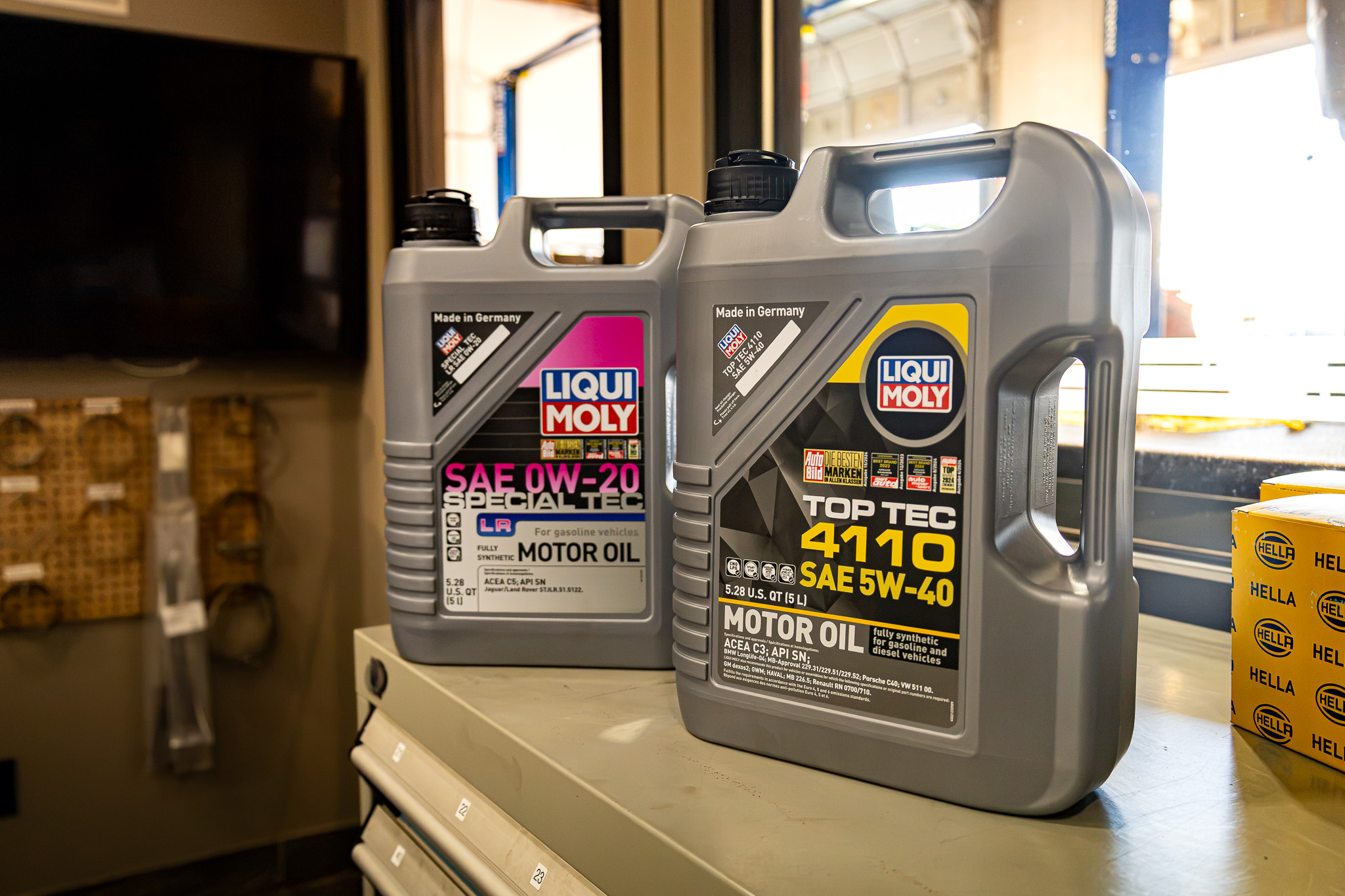
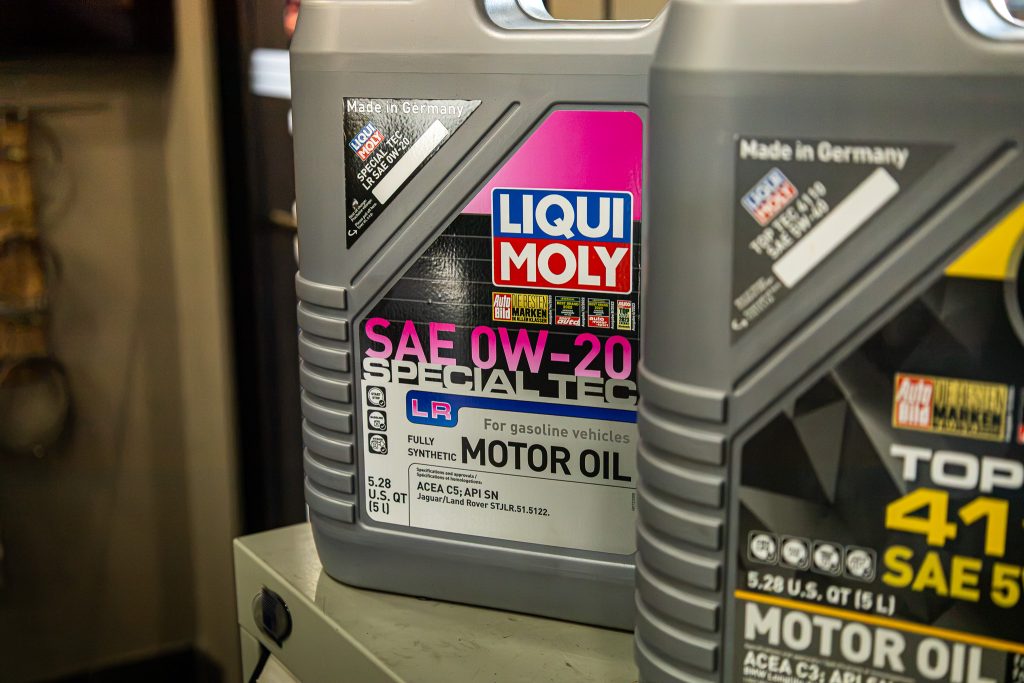
In recent years, vehicle manufacturers have shifted toward ultra-low viscosity oils like 0W-20 and even 0W-16. This trend is driven primarily by the pursuit of fuel efficiency. Thinner oil reduces internal fluid resistance, allowing the engine to spin more freely and consume less energy. But does this compromise the reliability of your engine?
The answer lies in modern engineering. Engines designed for 0W-16 or 0W-20 are built with much tighter tolerances and specialized coatings to ensure that lighter oil protects effectively. When using the specified weight, the oil flows rapidly during cold starts, reaching critical components in seconds and reducing wear during the most vulnerable moments of operation.
However, exceptions to these manufacturer recommendations do exist. While 0W-20 is the standard for modern efficiency, shifting to a slightly thicker weight like 5W-30 may be considered for severe conditions. This is often relevant for vehicles used in tracking, heavy towing, or for high-mileage engines where a thicker film can help reduce oil consumption.
Crucially, using a thicker oil is not without risk. Modern engines rely on specific viscosities for proper cold-start flow and the operation of sensitive hydraulic components, such as Variable Valve Timing (VVT) systems. Using an incorrect grade can lead to poor performance or even mechanical problems. At Motor Werke, we prioritize using premium, manufacturer specified synthetic oils for most cases. Given these complexities, it is vital to consult with experts, like our parts team here at Motor Werke, to determine the safest and most effective oil choice for your specific use case.