
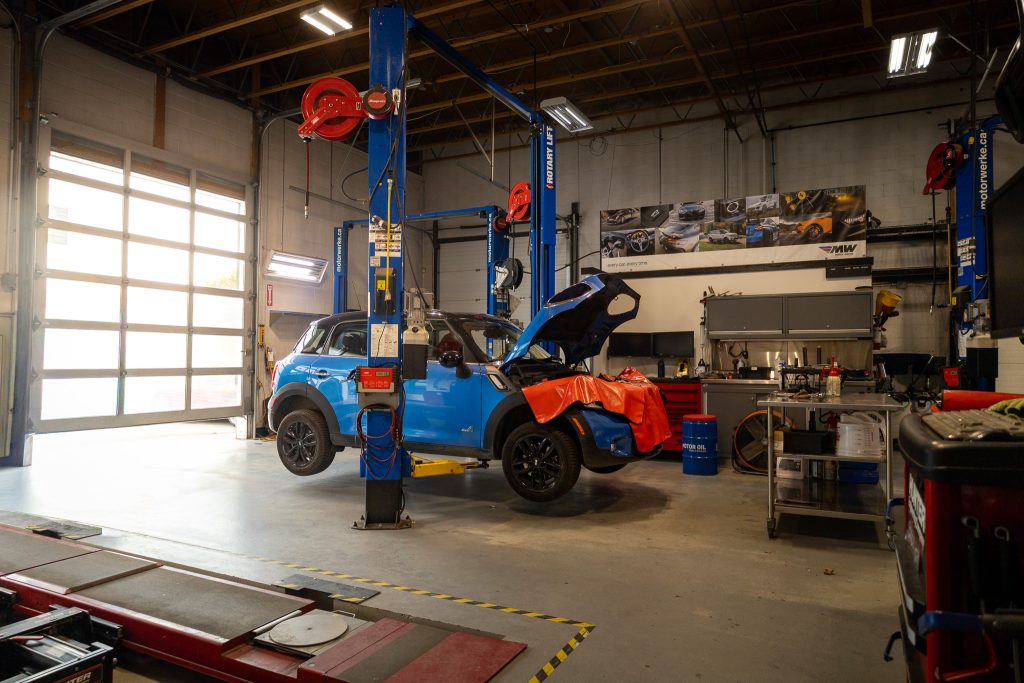
As autumn temperatures drop across the Okanagan, local wildlife begins searching for dry, sheltered places to nest. Unfortunately, the engine bay of your warm BMW, Audi, or Mercedes-Benz is prime real estate. Even worse, modern automotive manufacturing has made your engine compartment far more appealing to mice, rats, and squirrels than you might realize.
The Soy-Based Insulation Problem
To meet environmental sustainability goals, European manufacturers transitioned from petroleum-based wiring insulation to eco-friendly, soy-based alternatives. While excellent for reducing plastic waste, soy-based bio-plastics retain a subtle food aroma that actively attracts rodents.
Once inside a snug engine compartment, rodents chew through wiring harnesses, vacuum lines, and sensor looms to clear nesting space or sharpen their teeth. The damage often results in:
- Unexplained Electrical Phantom Faults: Intermittent check engine lights or failing safety sensors.
- Misfires and No-Start Conditions: Severed fuel injector wiring or main ignition harnesses.
- Costly Harness Replacements: Complex European electronics often require replacing entire main wiring harnesses rather than simple wire splices.
How to Protect Your Vehicle This Autumn
Preventing infestation is significantly cheaper than replacing a multi-thousand-dollar engine harness.
- Use Rodent Deterrents: Capsaicin-infused electrical tape (specially treated rodent tape) wrapped around exposed harnesses creates a natural barrier. Ultrasonic deterrents and peppermint oil spray near parking spots can also help.
- Clear Surrounding Debris: Avoid parking near leaf piles, wood stacks, or overflowing compost bins where rodents nest.
- Park Indoors or Keep It Bright: If parking outside, leave well-lit exterior lights on nearby or keep the hood open during long parked stretches to eliminate dark nesting spots.
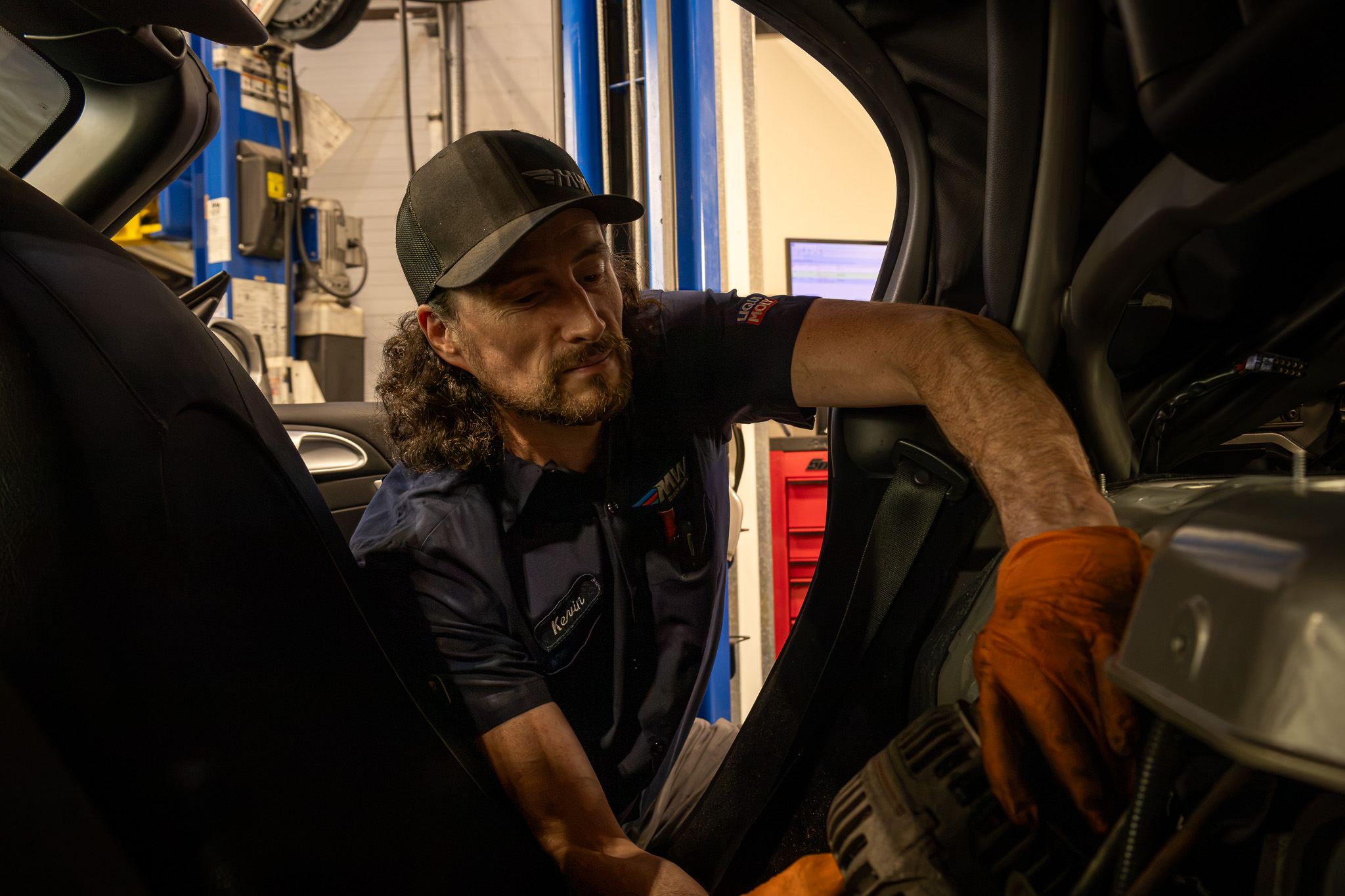
If you suspect unwanted visitors have entered your engine bay, or notice unusual electrical warning lights, our team at Motor Werke can perform a full digital inspection to check for insulation damage before short circuits cause deeper control module issues.