
As winter fades and temperatures rise across the Okanagan, one question starts popping up in our shop:
“Do I really need to switch off my winter tires yet?”
The short answer is yes.
While it might seem convenient to leave your winter tires on for a few extra weeks, or even through the summer, doing so can shorten tire life, reduce fuel economy, and compromise vehicle performance. Here’s what every Kelowna driver should know about winter tires and warm weather.
When should you remove your winter tires?
A good rule of thumb is to switch from winter tires when daytime temperatures consistently remain about 7°C. At that point, winter tires are no longer operating under the conditions for which they were designed. In the Okanagan, this often occurs sometime between late March and early May, depending on weather patterns and where you drive.
If you’re regularly travelling to higher elevations or mountain passes, it may make sense to keep your winter tires on a little longer.
Why do winter tires wear out faster in warm weather?
Winter tires are made from a softer rubber compound designed to remain flexible in cold temperatures. That flexibility is what helps winter tires maintain traction on snow, ice, and cold pavement. However, once temperatures rise, that same soft compound begins to wear much more quickly.
Driving on winter tires during spring and summer can result in:
– accelerated tread wear
– reduced tire lifespan
– increased rolling resistance
– reduced fuel efficiency
– less responsive handling
– longer braking distances in warm conditions
Simply put, winter tires perform best in winter conditions.

Are winter tires just for snow?
No.
One of the biggest misconceptions we hear is that winter tires are only beneficial when roads are covered in snow.
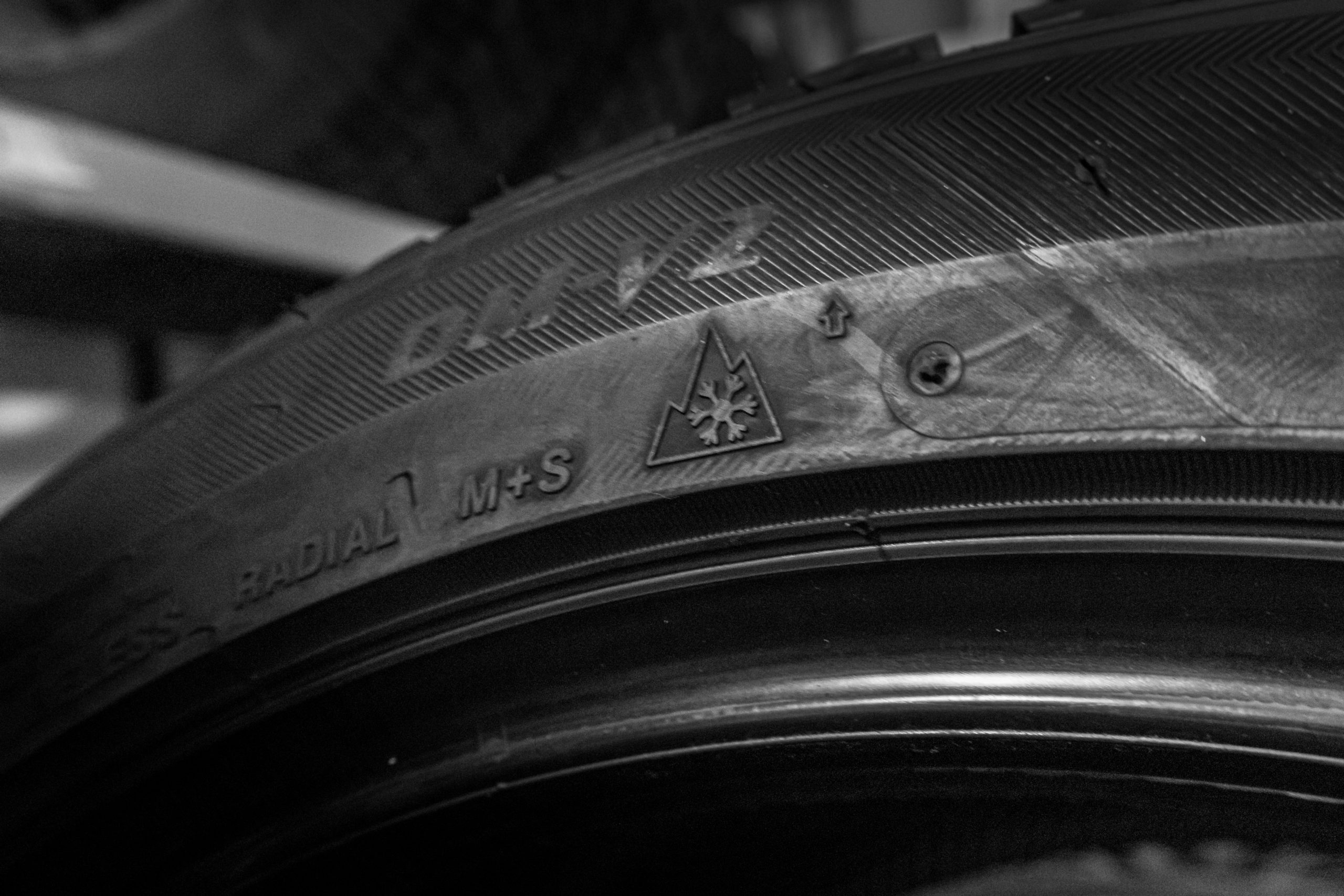
In reality, winter tires are designed for cold temperatures. Their specialized rubber compound remains flexible below approximately 7°C, allowing them to maintain better grip on cold pavement, slush, ice and snow.
Even on dry roads, winter tires can outperform all-season tires when temperatures drop.
What happens if you leave winter tires on all year?
While many drivers do this, it’s rarely the most economical or safest choice.
Using winter tires year-round can:
– wear out your tires significantly faster
– Increase fuel consumption
– Reduce steering precision
– Create additional road noise
– Increase long-term operating costs
A set of winter tires is an investment. Removing them when temperatures rise helps maximize their lifespan and performance.
Winter tires vs. All-Season tires vs. All-weather tires.
Many drivers are surprised to learn there are important differences.
Winter Tires
Designed specifically for temperatures below 7°C and severe winter conditions. They offer the best traction on snow, slush, and ice.
All-Season Tires
Designed to provide reasonable performance across a wide range of conditions, but they are a compromise compared to dedicated winter tires in severe winter weather.
All-Weather Tires
Designed for year-round use and carries a winter rating. They can be a good option for some drivers, but still involve compromises compared to dedicated winter and summer tire sets.
The right choice depends on your driving habits, vehicle, and where you travel throughout the year.
Don’t forget about tire storage.
One of the biggest challenges of seasonal tire changes isn’t the appointment – it’s figuring out what to do with the tires afterward. Proper tire storage helps protect your investment by reducing exposure to heat, sunlight, and environmental conditions that can accelerate tire aging.
At Motor Werke, we offer seasonal tire storage in our climate-controlled facility, making seasonal tire changes simple and convenient.
No lifting heavy tires. No finding space in your garage. No loading dirty wheels into your vehicle.
We handle the heavy lifting so you don’t have to.
Frequently Asked Questions
What temperature is too warm for winter tires?
Once temperatures consistently remain above 7°C, winter tires begin to wear more quickly and lose many of the advantages they provide in cold weather.
Can hot weather damage winter tires?
Yes. Warm pavement and higher temperatures accelerate wear because winter tire compounds are softer than all-season or summer tires.
Will winter tires affect fuel economy?
They can. Winter Tires generally create more rolling resistance than summer tires, which may result in increased fuel consumption.
How long do winter tires typically last?
Tire lifespan varies based on mileage, driving style, road conditions, and storage practices. Proper maintenance, seasonal use, and regular inspections can significantly extend tire life.
When should I book my spring tire changeover in Kelowna?
As soon as temperatures consistently remain above 7 °C and winter driving conditions are unlikely, it’s time to consider switching to your summer or all-season tires.
Need a tire Changeover?
Whether you drive a European vehicle, Japanese Import, EV, truck or family SUV, our team can help ensure your tires are ready for the season ahead.
If you’re unsure whether it’s time to make the switch, we’re happy to help you evaluate your tires, tread depth, and driving needs. Because the right tires don’t just improve performance, they improve safety, comfort, and confidence behind the wheel.