
When we think about vehicle maintenance, the common items like oil changes and tire rotations usually take center stage. However, there is a silent, hardworking hydraulic fluid in your car that is constantly fighting a battle against the elements: your brake fluid.
The Science of "Hygroscopic"
Brake fluid is engineered to be hygroscopic, meaning it actively attracts and absorbs moisture from the atmosphere. While this sounds like a flaw, it is actually a safety feature. By absorbing moisture that enters the system through microscopic pores in rubber hoses and seals, the fluid prevents “pockets” of pure water from settling in your brake lines.
However, this ability comes with a shelf life. As the fluid becomes saturated with water over time, its performance begins to degrade in two critical ways.
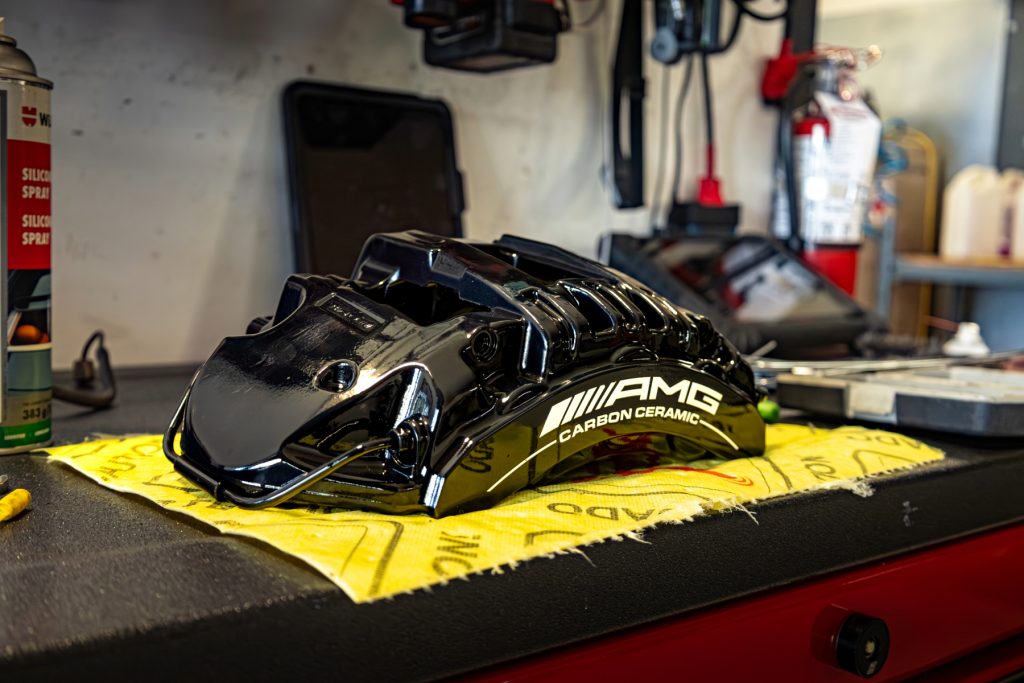
1. The Danger of Brake Fade.
Brake systems operate under extreme heat. Fresh brake fluid has a very high boiling point, ensuring it remains a liquid even during heavy braking. When fluid absorbs water, its boiling point drops significantly.
- Vapour Lock: If the fluid reaches its boiling point, it turns into gas.
- Compressibility: Unlike liquid, gas is compressible. When you hit the pedal, you may feel a “spongy” sensation, or worse, the pedal may go to the floor without stopping the car.
2. Preventing Internal Corrosion.
Modern braking systems, especially those with Anti-lock Braking Systems (ABS) and Stability Control, contain intricate valves and pumps. Water is the enemy of these metal components.
If the fluid isn’t flushed, accumulated moisture can lead to internal corrosion. Replacing an ABS module or a seized brake calliper is significantly more expensive than the preventative maintenance of a fluid flush.
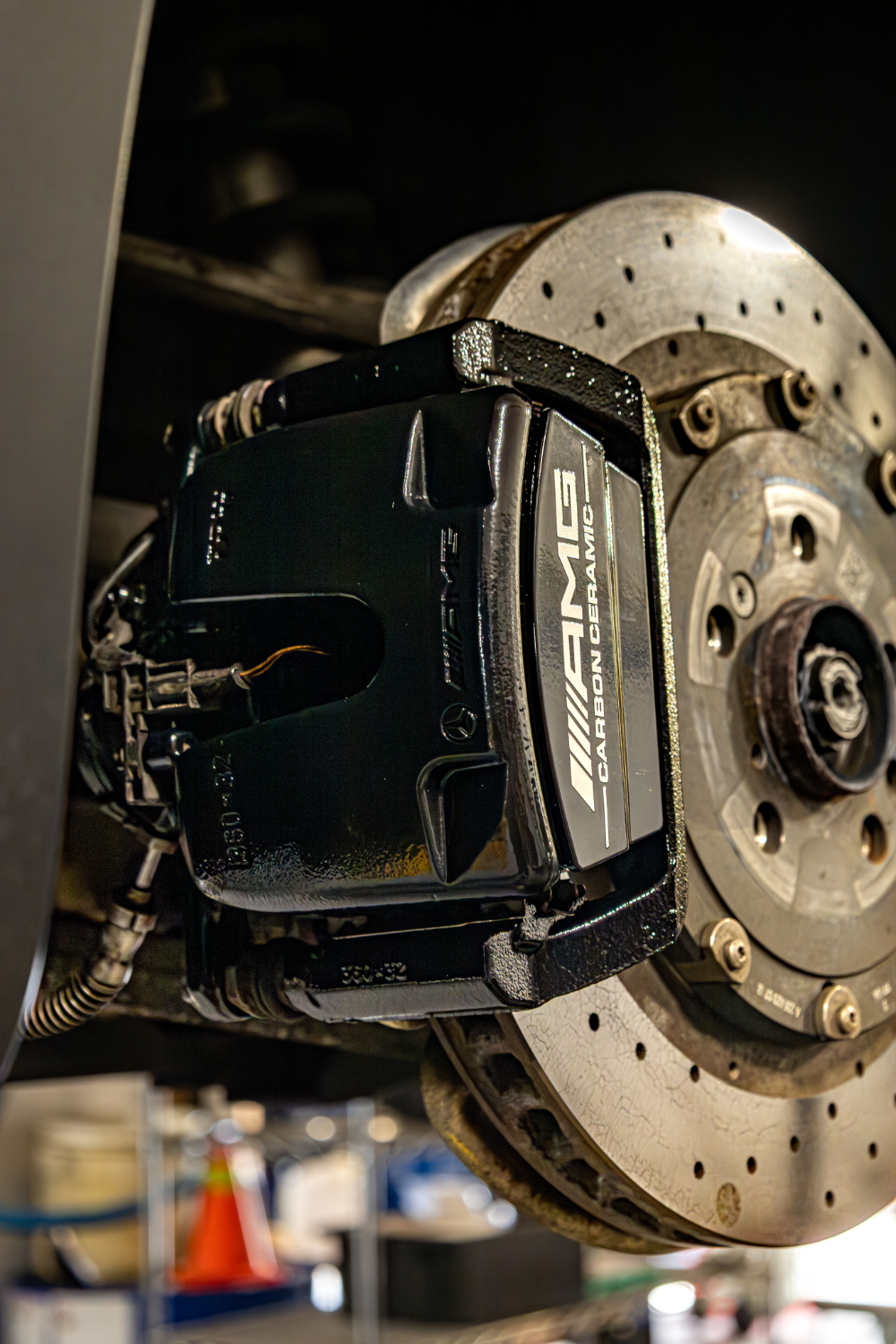
Maintenance Recommendations
To ensure your vehicle remains safe and responsive, most manufacturers and technicians recommend a professional brake fluid flush every two years, regardless of mileage.
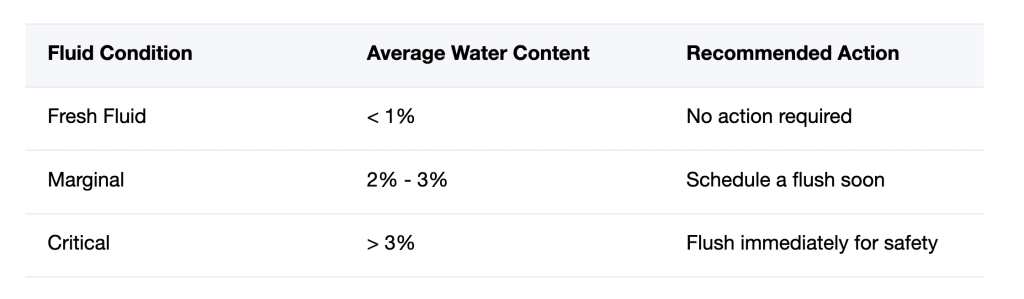
Keeping your brake fluid clean is one of the simplest ways to protect both your vehicle’s longevity and your safety on the road. At Motor Werke, part of our inspection process involves checking the exact moisture content of your fluid so we can issue the appropriate recommendations and ensure your stopping power is never compromised.